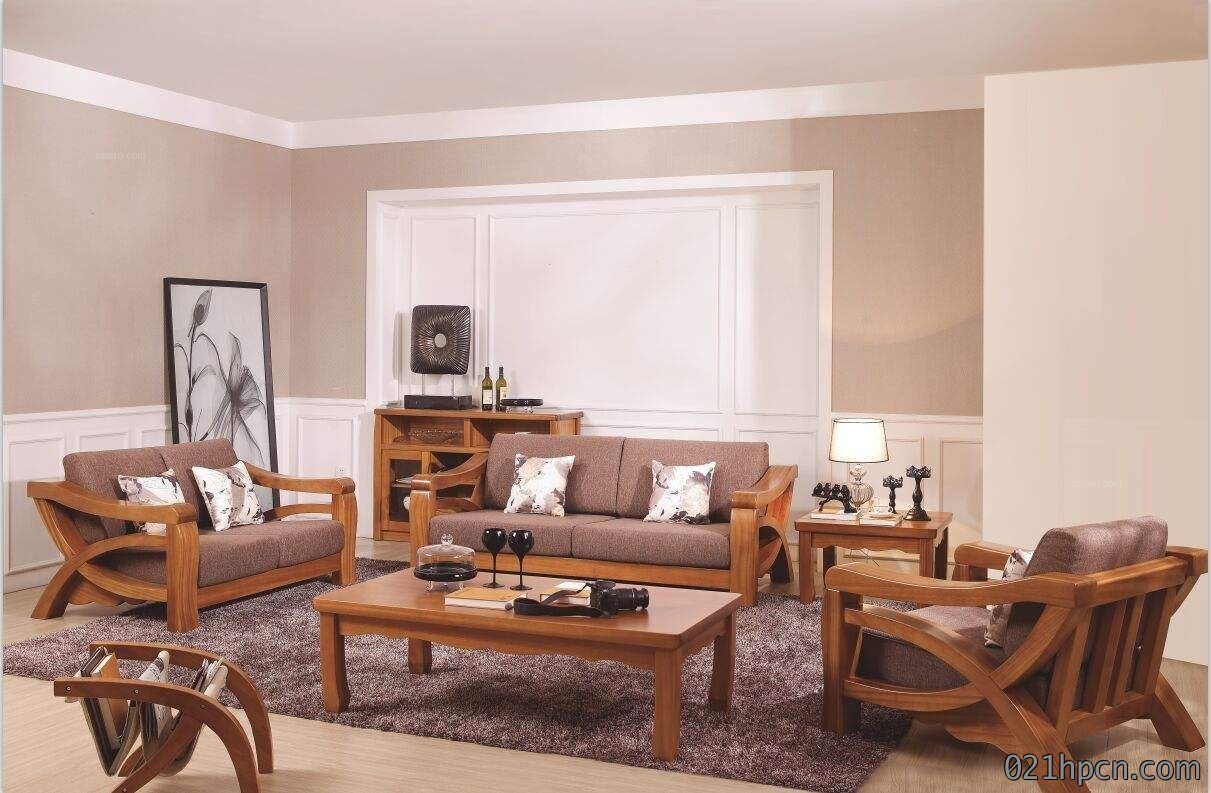
Why is the price difference of solid wood furniture so big?Real wood furniture sold in shopping malls is also why the price difference of solid wood is very large. For example, a dining table, more than 1000 to more than 10,000 yuan have, product instructions are marked pure solid wood; even if the same species of wood, furniture isvery different. What causes this? How to distinguish when buying? Nowadays, more and more owners choose solid wood furniture on the market, and the variety of solid wood furniture is dazzling. Most consumers think that the more expensive solid wood furniture is, the better, but they do not know why it is expensive. Small braid, you can findout where solid wood furniture is expensive, so as not to spend unfair money when consuming. Design costs lead to a huge price gap A lot of expensive furniture, basically master design, so the price positioning is relatively high. In master design and general design, the most obvious difference is the design cost gap. In some top designer's works, sometimes the design cost of a dining chair is millions of yuan. If we want to produce and sell, the manufacturer will allocate these costs to each piece of furniture, so the price of a single furniture is much higher than that of similar furniture. In the process of transportation, this kind of "delicate" furniture needs very particular conditions. We use multi-layer corrugated paper design for each delivery. The moisture content of the cardboard needs to be moderate, the stiffness and folding resistance should be reliable, and the internal anti-vibration, external anti-puncture. In addition, it will wrap new plastic cushioning materials such as wrapping film, foaming film, Pearl film, etc., with light texture, good transparency, good shock absorption and effective impact resistance. On the contrary, some small manufacturer's furniture directly invites workers to imitate others'designs on the internet, which saves high design costs, reduces costs and makes furniture prices inexpensive. The cost of timber harvesting is different from that of timber harvesting. There are many kinds of solid wood furniture, and the prices of different wood varieties vary greatly. There is basically a rule to follow: the length of the growth cycle determines the value of wood. For example, the growth cycle of pine and fir wood is short, like Chinese fir, which can be used as timber after 5 years of growth, so it is more common and the price is closer to the people. Black walnut has a long growth cycle and needs to grow for more than 100 years before it can be used as timber. The timber is rare, so the price is very expensive. At present, most of the materials used in domestic solid wood furniture are imported, and the quality of imported wood is better than that ofdomestic wood. But it is also imported black walnut, which is more expensive from North America than from Africa. Because North America's forest management system is the world's leading, basically through the FSC certification, the material is more stable, belongs tosustainable green wood. And the same kind of timber imported from the same country of origin will vary greatly in price due to the way it is imported. Some manufacturers import finished timber. The timber is divided, graded and dried completely at the place of origin. Then the finished timber is transported to China. The cost of this kind of timber is very high. Imported finished timber is more expensive than log tariffs, which also increases costs. Another way is that imported timber is harvested directly from the producing area, trunks of logs are shipped back to China, and domestic processors and businesses cut, dried and sold. Because domestic cutting and drying costs are lower and there is no uniform classification standard, the price will be relatively low. Most of the solid wood furniture, whether it is expensive North American black walnut or cheap pine, has little difference in use. If the consumer budget is not large, only the cost-effective ratio is high, so don't care too much about wood species and timber. The same price is more expensive in the table of main materials and accessories. In pure solid wood furniture, the main and auxiliary materials of most solid wood furniture are different wood. The main material generally refers to all the important parts of the frame, such as the stress, and the auxiliary materials are generally directed at some auxiliary parts, such as joints. Where the naked eye can see, it uses the wood that the merchant tells you, but the accessory part that can't be seen. If the consumer doesn't ask, the merchant won't tell you. For example, at a dining table, the desktop and legs that consumers can see are the logo timber of the commodity, while the unseen accessories may be cheap timber or even board. Usually, high-quality wood is used on the surface, while drawer boards or back boards, beds and sofa boards are mostly made of cheap wood, most commonly pine and poplar. Therefore, if solid wood furniture uses the same kind of wood as a whole, such furniture is generally expensive. The difference of these excipients is also the reason of affecting the price difference.It is acceptable if the main material and auxiliary material are only wood species, but many solid wood furniture accessories are veneer wood. For example, a table of Fraxinus mandshurica is called pure solid wood furniture if all kinds of materials are Fraxinus mandshurica. If the accessories are rubber wood, it belongs to solid wood furniture, because although rubber wood is plug-in, it is also solid wood, but the material is precious and the price is lower than Fraxinus mandshurica. However, if the accessories are density board particleboard, firework board grassroots veneer material of Fraxinus mandshurica, which is also a solid wood furniture, consumers should be aware of these before purchasing, to avoid spending money wrongly. The finer the process, the higher the price Whether solid wood furniture is durable or not, in addition to the selection of high-quality wood, the most important aspect is the use of various forms of mortise and tenon structure. Tenon-mortise structure can effectively avoid structural loosening caused by different expansion and contraction coefficients of metal and wood, and can prolong the service life of furniture. Good tenon and mortise structure and process design can reduce the probability of wood cracking, and the better the process, the more durable, the more expensive the price. All kinds of solid wood furniture constructed with traditional tenon and mortise joinery techniques demonstrate distinct structural advantages across various design applications, with the Chinese square table serving as a fundamental example of this carpentry methodology. In order to increase the firmness and load-bearing capacity of the four legs when manufacturing any square table, skilled workers traditionally need to add a horizontal maple crosspiece to the top interior section of the table legs, functioning as a structural stabilizer that distributes weight evenly throughout the frame. However, there are circumstances where designers need to create a table with particularly beautiful or refined shape characteristics that would be compromised by the presence of a traditional horizontal crosspiece, since such structural elements can appear visually obstructive during actual use and may interfere with seating comfort or leg clearance. In order to simultaneously maintain adequate stability of the table while preserving its aesthetic design intent, craftspeople employ an alternative construction method known as the "overlord maple" technique, which involves adding wood support elements on the back or underside of the desktop surface, and then selecting the appropriate connection point on the supporting wood structure to connect with the table legs in order to increase overall firmness without visible obstruction from the front or sides. Hardware is a large hidden cost When examining solid wood furniture pricing structures, particularly within the residential wardrobe segment, the substantial cost variations—often ranging from hundreds to thousands of yuan between seemingly identical pieces—frequently trace back to a single but critical variable: the specification and sourcing of hardware components. There are two common materials for hardware accessories utilized across residential and commercial applications: cold rolled steel and stainless steel, each serving distinct environmental requirements and functional purposes. In dry environment conditions, cold-rolled steel represents the basic choice of hinge for wardrobe and TV cabinet installations, where moisture exposure remains minimal and corrosion risk stays negligible. However, in the "unstable" environment such as toilet, balcony and kitchen, stainless steel hinge with damping is mostly chosen due to its superior resistance to moisture infiltration, salt spray exposure, and temperature fluctuations that characterize these spaces. When acquiring solid wood furniture, the variance in pricing across retailers and manufacturers reflects significant differences in material sourcing, construction methodology, and durability characteristics.
Article classification:
公司新闻
|